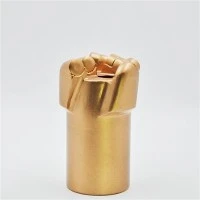
How to Improve Flat Top PDC Drill Bit Durability
A flat top PDC drill bit is exposed to repeated contact with rock, mechanical loads and drilling conditions that can vary throughout a project. Over time, these factors may cause cutter wear, chipping or other forms of damage.
Improving bit durability does not depend on a single modification. It requires selecting a suitable bit for the formation, using appropriate drilling parameters and inspecting the bit regularly. The following practices can help drilling contractors reduce avoidable damage and make better use of their flat top PDC drill bits.
1. Match the Drill Bit to the Formation
Choosing a bit based on the actual formation is an important first step. Rock hardness, abrasiveness, strength and geological variation can all influence cutter wear and drilling behavior.
Before selecting a flat top PDC drill bit, consider:
● Rock type: Identify the main formations expected during drilling, such as sandstone, shale or mudstone.
● Formation variation: Consider whether the borehole will pass through different layers with changing rock properties.
● Abrasiveness: More abrasive formations can increase wear on the PDC cutting elements.
● Drilling application: The bit diameter, cutting structure and connection should be suitable for the planned drilling operation.
The Flat Top PDC Drill Bit series includes five-tooth, six-tooth and seven-tooth models. These configurations should be evaluated according to their actual product specifications and the requirements of the drilling project. Tooth count alone is not enough to determine which model will provide the best service life.
2. Select Suitable PDC Cutter Specifications
PDC cutters are directly involved in rock cutting, so their specifications and manufacturing quality are important when evaluating bit durability.
When comparing available options, pay attention to:
● Cutter dimensions: Confirm that the cutter specifications match the bit configuration and project requirements.
● Wear resistance: Consider the expected abrasive conditions and the cutter's suitability for the target formation.
● Impact resistance: Evaluate whether the cutter is appropriate for the mechanical stresses expected during drilling.
● Manufacturing quality: Consistent dimensions, a sound diamond table and a reliable bond between the diamond layer and carbide substrate are important quality considerations.
For example, the φ75 mm six-tooth flat top PDC drill bit lists 1304, 1308, 1604 and 1608 cutter specifications, with customization available. Buyers should confirm the available configuration with the manufacturer rather than assuming that one cutter option is suitable for every formation.
3. Use Appropriate Drilling Parameters
Incorrect operating conditions can place unnecessary stress on the cutters and bit body. Weight on bit (WOB), rotary speed and flushing conditions should be considered together.
Weight on bit (WOB)
Excessive WOB can increase the mechanical load on the cutting elements and may contribute to cutter damage. Insufficient WOB, on the other hand, may prevent the cutters from engaging with the formation effectively. Operators should follow the manufacturer's recommendations and adjust WOB according to drilling conditions.
Rotary speed
Rotary speed affects how frequently the cutters contact the rock. Operating at an unsuitable speed may increase heat generation or mechanical stress. The appropriate setting depends on the formation, bit configuration and drilling equipment.
Gradual operating adjustments
Avoid making sudden changes to drilling parameters when formation conditions change. Monitor drilling behavior and make adjustments in accordance with the equipment and bit manufacturer's operating guidance.
There is no universal WOB or RPM setting for every flat top PDC drill bit. Specific operating values should be confirmed for the actual model and drilling application.
4. Maintain Effective Flushing
Flushing helps remove drilled material from the cutting area. If cuttings accumulate around the bit, they may interfere with drilling and affect the operating conditions of the cutting elements.
The flushing method should be compatible with the drilling equipment and project requirements. The φ75 mm six-tooth flat top PDC drill bit product information lists air, mud and foam flushing options.
During drilling, operators should pay attention to:
● Whether the selected flushing method is suitable for the formation and drilling setup.
● Whether the flushing system is delivering the required flow.
● Whether cuttings are being removed effectively.
● Whether there are signs of blockage or abnormal changes in flushing conditions.
The correct flushing arrangement should be determined with reference to the manufacturer's specifications and the requirements of the drilling site.
5. Inspect the Bit Before and After Each Run
Regular inspection helps identify visible damage before it develops into a more serious problem.
Before drilling
Check the PDC cutters for visible chips, cracks or unusual wear. Inspect the bit body and thread connection, and make sure the bit is compatible with the drilling assembly.
After drilling
Remove drilling debris and inspect the cutting elements and bit body. Pay attention to missing or damaged cutters, changes in the cutting edges, visible cracks and thread damage.
Before reuse
Review the inspection results and determine whether the bit is suitable for another run. If significant damage is found, consult the manufacturer or a qualified service provider before reuse.
A consistent inspection record can also help operators identify recurring damage patterns and make better decisions about bit selection and operating conditions.
6. Clean and Store the Drill Bit Properly
Cleaning and storage are simple but important parts of drill bit care.
After use, remove accumulated drilling material from the bit, including the cutting area and flushing passages. Use a cleaning method that will not damage the cutters, bit body or connection.
When storing the bit:
● Keep it in a clean and dry environment.
● Protect the cutting elements from impact.
● Avoid placing heavy objects against the bit.
● Protect the thread connection from damage and contamination.
● nspect the bit again before its next use.
Proper handling helps prevent damage that may occur outside the drilling operation itself.
7. Keep Records of Bit Performance
Recording drilling conditions and inspection results can help identify the causes of premature wear.
Useful information to record includes:
● Bit model and diameter
● PDC cutter specifications
● Formation encountered
● Drilling equipment and operating conditions
● Flushing method
● Drilling footage or operating time
● Cutter condition after each run
● Any visible damage or unusual drilling behavior
Comparing these records across different projects can help determine whether a durability issue is related to formation conditions, bit selection, operating practices or maintenance.
Choosing a Flat Top PDC Drill Bit for Your Application
The right bit configuration depends on the drilling application, formation and required product specifications. Sharper offers a Flat Top PDC Drill Bit range with five-tooth, six-tooth and seven-tooth models.
Available product information includes:
● φ65 mm five-tooth flat top PDC drill bit
● φ75 mm six-tooth flat top PDC drill bit
● φ94 mm seven-tooth flat top PDC drill bit
Cutter specifications and thread connections can be discussed according to the available customization options. To compare the models and review their product details, visit our Flat Top PDC Drill Bit series.
When requesting a quotation, provide the required diameter, formation information, drilling application and thread connection. Details about the drilling equipment and flushing method can also help the supplier assess your requirements.
Frequently Asked Questions
1. What causes premature wear on a flat top PDC drill bit?
Premature wear may be related to abrasive formations, unsuitable cutter specifications, excessive mechanical loads, inappropriate drilling conditions or inadequate flushing. The actual cause should be assessed by examining the drilling conditions and the condition of the bit after use.
2. Can choosing the correct tooth count improve drill bit durability?
Tooth count is one factor in bit selection, but it does not determine durability on its own. Cutter specifications, bit structure, formation conditions and operating parameters should also be considered.
3. How often should a flat top PDC drill bit be inspected?
The bit should be checked before and after each drilling run. Additional inspection may be necessary if operators notice unusual vibration, changes in drilling behavior or other signs of possible damage.
4. Does flushing affect PDC drill bit durability?
Yes. Flushing helps remove cuttings from the cutting area and supports stable drilling conditions. The flushing method should be compatible with the bit, equipment and formation.
5. What information is needed when ordering a flat top PDC drill bit?
Buyers should provide the required diameter, drilling application, formation information, cutter requirements and thread connection. This information helps the supplier discuss an appropriate model and configuration.
Contact Us
Looking for a flat top PDC drill bit for your drilling project? Contact us with your required diameter, formation conditions and connection specifications. Our team can help you review the available models and customization options.