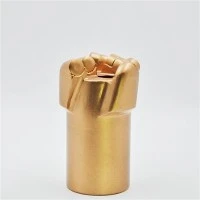
Which materials can a six-tooth flat top PDC drill bit be used to drill?
A six-tooth flat top PDC drill bit is designed for drilling in selected rock formations. The suitability of the bit depends on the formation's hardness, abrasiveness, structure and drilling conditions.
For the φ75 mm six-tooth flat top PDC drill bit, the listed suitable formations include sandstone, shale and mudstone. It is also listed for applications such as coalbed methane drilling, mine roadway drilling and hydrological well drilling.
Understanding the characteristics of these formations can help buyers determine whether this bit configuration is appropriate for their projects.
What Rock Formations Can a Six-tooth Flat Top PDC Drill Bit Drill?
Sandstone
Sandstone consists mainly of mineral grains, commonly including quartz, held together by natural cementing materials. Its drilling characteristics can vary considerably depending on grain size, cementation and abrasiveness.
When selecting a PDC drill bit for sandstone, buyers should consider the formation's hardness and abrasive properties. These factors influence cutter wear and the suitability of the cutting structure.
Shale
Shale is a fine-grained sedimentary rock that commonly has a layered structure. Its strength and drilling behavior can vary with mineral composition, moisture content and the degree of consolidation.
For shale drilling, formation stability and cuttings removal should be considered alongside cutter specifications. The appropriate bit configuration depends on the actual conditions encountered in the borehole.
Mudstone
Mudstone is another fine-grained sedimentary rock, but it generally lacks the pronounced fissility associated with shale. Its strength and drilling characteristics depend on its composition, cementation and moisture conditions.
When choosing a bit for mudstone, buyers should provide information about the formation's condition rather than relying on the rock name alone.
What Factors Affect PDC Drill Bit Selection?
The same rock type can have different drilling characteristics from one project to another. Before selecting a six-tooth flat top PDC drill bit, consider the following factors.
Formation Hardness
The hardness of the rock affects how the cutters interact with the formation. Buyers should identify whether the material is relatively soft, medium-hard or hard based on available geological information.
Rock Abrasiveness
Abrasive minerals can contribute to cutter wear. Formation composition and the presence of abrasive particles should therefore be considered when evaluating cutter grades.
Formation Consistency
Some formations contain alternating layers with different strengths and structures. Changes in formation conditions may affect drilling behavior and should be considered when selecting the bit.
Cutter Specifications
PDC cutter size and grade are important parts of the cutting structure. The available cutter specifications should be evaluated in relation to the expected formation and drilling conditions.
What Are the Main Applications of a Six-tooth Flat Top PDC Drill Bit?
The φ75 mm six-tooth flat top PDC drill bit is listed for several drilling applications.
Coalbed Methane Drilling
Coalbed methane projects involve drilling through coal-bearing formations and associated rock layers. Bit selection should take into account the geological conditions along the planned borehole.
Mine Roadway Drilling
Drilling in mine roadways may involve different rock layers and varying formation conditions. The required bit configuration should be selected according to the rock characteristics and the specific drilling task.
Hydrological Well Drilling
Hydrological well projects require drilling through underground formations to investigate or access groundwater resources. Formation composition and borehole conditions are important considerations when selecting a suitable drill bit.
How to Choose the Right Six-tooth Flat Top PDC Drill Bit?
Before requesting a quotation, buyers should prepare the following information:
1. Required bit diameter: Confirm the required diameter for the drilling project.
2. Formation information: Provide the expected rock types, hardness and abrasiveness where known.
3. Cutter specifications: Identify the required PDC cutter size or grade, if specified by the project.
4. Thread connection: Confirm the required connection type and relevant dimensions.
5. Application details: Explain whether the bit will be used for coalbed methane drilling, mine roadway drilling or hydrological well drilling.
The φ75 mm six-tooth flat top PDC drill bit page lists PDC cutter specifications including 1304, 1308, 1604 and 1608, with customization options. The appropriate configuration should be confirmed against the project's drilling requirements.
Frequently Asked Questions
Can a six-tooth flat top PDC drill bit be used for sandstone?
Sandstone is among the listed suitable formations for the φ75 mm six-tooth flat top PDC drill bit. Its suitability for a particular project depends on the sandstone's hardness, cementation and abrasiveness.
Is this PDC drill bit suitable for shale?
Shale is also listed as a suitable formation. However, shale properties vary, so the formation condition and drilling requirements should be considered before selecting the bit.
Can it drill through mudstone?
Mudstone is included in the listed suitable formations. Buyers should provide information about its strength, moisture condition and geological characteristics when requesting a configuration.
What cutter specifications are available?
The product page lists PDC cutter specifications 1304, 1308, 1604 and 1608, with customization options. Confirm the required cutter configuration when placing an inquiry.
What information is needed to request a quotation?
Provide the required bit diameter, formation information, thread connection and intended drilling application. Additional project details can help determine a suitable product configuration.
Request Information About the φ75 mm Six-tooth Flat Top PDC Drill Bit
If you are planning a coalbed methane, mine roadway or hydrological well drilling project, share your formation details and bit requirements with our team. We can discuss the available cutter specifications, connection options and product configuration for your application.