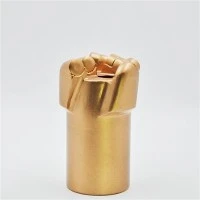
How do different PDC grades affect the performance of a six-tooth flat top drill bit?
PDC cutter grade is an important factor in the performance of a six-tooth flat top PDC drill bit. Different cutter designs and material properties can influence how the cutting elements respond to abrasive formations, impact loads and drilling heat.
However, a higher PDC grade does not automatically mean better drilling performance in every application. The right choice depends on the rock formation, drilling conditions and the design of the bit's cutting structure.
For buyers considering a φ75 mm six-tooth flat top PDC drill bit, understanding these factors can help when comparing cutter specifications and discussing a suitable configuration with a supplier.
What Does PDC Cutter Grade Mean?
PDC stands for polycrystalline diamond compact. A typical PDC cutter consists of a polycrystalline diamond layer bonded to a cemented carbide substrate.
The term "PDC grade" generally refers to a cutter specification or material classification. However, grade names and classification systems can vary between manufacturers. Buyers should therefore check the actual technical specifications rather than assuming that grade labels from different suppliers are directly comparable.
Several material and design characteristics may influence cutter performance:
● Diamond layer properties: The structure and quality of the diamond table affect its cutting and wear characteristics.
● Carbide substrate: The substrate supports the diamond layer and contributes to the cutter's overall structural performance.
● Interface design: The bond between the diamond table and substrate is important when the cutter is exposed to mechanical and thermal loads.
● Cutter geometry: Diameter, chamfer and other design details influence how the cutting edge interacts with the rock.
These factors should be considered together when evaluating a PDC cutter.
How Do PDC Grades Affect Drill Bit Performance?
Different PDC cutter specifications can influence several aspects of drilling performance. The actual result depends on the cutter design and the conditions in which the bit operates.
Wear Resistance
Wear resistance affects how well a PDC cutter withstands repeated contact with rock and abrasive mineral particles.
In abrasive formations, cutter wear can influence the service condition of the cutting structure. Buyers should consider the formation's mineral composition and abrasiveness when discussing suitable cutter specifications.
Impact Resistance
During drilling, cutters may encounter changes in rock strength, hard inclusions and uneven formation conditions. These situations can expose the cutting elements to impact loads.
Cutter toughness, diamond table design, substrate properties and the way the cutter is supported by the bit body can all affect its ability to withstand these conditions.
Thermal Stability
Cutting generates heat at the contact area between the cutter and the formation. The thermal properties of the diamond table and its supporting structure are therefore relevant when evaluating PDC cutter specifications.
Actual thermal performance depends on material composition, manufacturing processes and drilling conditions.
Cutting Efficiency
The interaction between the cutter and the rock affects how material is removed during drilling. Cutter geometry, exposure, placement and the properties of the formation all influence cutting behavior.
A cutter grade should not be selected based on hardness or grain size alone. The complete cutting structure needs to be considered.
How Should PDC Cutter Grades Be Matched to Rock Formations?
The appropriate cutter specification depends on the formation being drilled. The following factors can help guide the selection process.
Sandstone
Sandstone varies in grain size, cementation and mineral composition. Some formations are relatively easy to drill, while others contain abrasive minerals that can contribute to cutter wear.
When selecting a PDC cutter for sandstone, buyers should provide information about the formation's hardness and abrasiveness.
Shale
Shale is a fine-grained sedimentary rock with properties that vary according to mineral composition, moisture and consolidation. Changes in formation strength may affect the loads experienced by the cutting structure.
The cutter specification should be considered together with the bit design and the expected drilling conditions.
Mudstone
Mudstone can vary in strength and drilling characteristics depending on its composition and degree of cementation. Formation condition is therefore important when evaluating the suitability of a particular cutter configuration.
For projects involving mixed formations, buyers should provide details about the expected changes in rock properties rather than selecting a cutter based only on one rock name.
What Should Buyers Check When Comparing PDC Cutter Specifications?
When evaluating a six-tooth flat top PDC drill bit, buyers should request clear information about the available cutter configurations.
Consider the following points:
1. Cutter size: Confirm the available cutter dimensions and whether they match the bit design.
2.Cutter grade: Ask for the manufacturer's grade designation and its corresponding technical specifications.
3. Wear and impact properties: Review available test data when these properties are important to the application.
4. Formation conditions: Provide details about rock type, hardness, abrasiveness and formation changes.
5. Bit configuration: Check how the cutters are arranged and supported within the six-tooth cutting structure.
The φ75 mm six-tooth flat top PDC drill bit lists cutter specifications including 1304, 1308, 1604 and 1608, with customization options. Buyers should confirm the available cutter grades and configurations with the manufacturer for their specific project.
Frequently Asked Questions
Does a higher PDC cutter grade always provide better performance?
No. A grade designation alone does not establish whether a cutter is suitable for a particular formation. Wear resistance, impact performance, thermal properties and cutter design should all be considered.
Which PDC cutter properties matter most in abrasive formations?
Wear resistance is an important consideration, but cutter structure, substrate properties and drilling conditions also influence performance. The appropriate specification should be evaluated using the formation information and available technical data.
Do different PDC grades affect the service life of a drill bit?
Cutter material properties can influence wear and damage under drilling conditions. However, bit service life also depends on formation characteristics, operating parameters, bit design and drilling practices. A specific service-life figure should only be used when supported by relevant field or test data.
Are different PDC cutter specifications available for the φ75 mm six-tooth flat top PDC drill bit?
The product page lists 1304, 1308, 1604 and 1608 cutter specifications, with customization options. Contact the manufacturer to confirm which cutter grades and configurations are available.
What information should I provide when requesting a customized bit?
Provide the required bit diameter, formation type, expected abrasiveness, drilling application and thread connection. If you have geological or previous drilling records, these can also help the supplier evaluate the requirements.
Discuss PDC Cutter Options for Your Drilling Project
If you are selecting a six-tooth flat top PDC drill bit for sandstone, shale or mudstone drilling, share your formation details and required bit specifications with our team. We can discuss the available cutter configurations and customization options for your application.