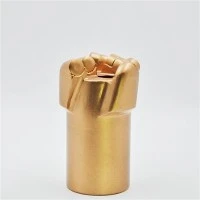
What is the hardness of the PDC cutters in a six-tooth flat top drill bit?
PDC cutter hardness is an important material property to consider when selecting a six-tooth flat top PDC drill bit. However, there is no single hardness value that applies to every PDC cutter. The actual properties depend on the diamond table, cemented carbide substrate, cutter grade and manufacturing process.
For drilling contractors and equipment buyers, understanding the difference between these materials is more useful than relying on a single hardness figure. Cutter wear resistance, impact resistance and thermal stability also influence how a PDC cutter performs under different drilling conditions.
What Materials Make Up a PDC Cutter?
A typical PDC cutter consists of two main components:
● Polycrystalline diamond layer: The cutting layer is made from synthetic diamond particles consolidated under high-pressure, high-temperature conditions. It provides the cutting surface used to shear rock during drilling.
● Cemented carbide substrate: Usually based on tungsten carbide, the substrate supports the diamond table and provides the structural foundation for the cutter.
These two materials have different mechanical properties. Their hardness values should therefore be evaluated separately rather than treating the entire cutter as a single material.
How Is PDC Cutter Hardness Measured?
Hardness testing depends on the material being evaluated and the test method used.
For the diamond table, Knoop or other suitable microhardness testing methods may be used in material characterization. The cemented carbide substrate can also be evaluated using hardness testing methods appropriate for cemented carbides.
When comparing PDC cutter specifications from different suppliers, buyers should check:
● Which part of the cutter was tested
● The hardness testing method
● The reported hardness value and unit
● Whether the result comes from a material test report or a general product specification
A hardness number without its testing method and material location is not sufficient for a meaningful comparison.
Does Cutter Hardness Determine Drilling Performance?
Hardness is only one factor affecting PDC cutter performance. A harder cutting material does not automatically provide better results in every formation.
Other important properties include:
Wear Resistance
Wear resistance affects how well the diamond table withstands repeated contact with abrasive rock. It is particularly relevant when drilling formations containing abrasive mineral particles.
Impact Resistance
PDC cutters may experience impact loads when drilling through formations with changing rock properties or encountering hard inclusions. Cutter structure and material toughness are important considerations in these conditions.
Thermal Stability
Heat generated during cutting can affect the condition of the diamond table. Thermal stability is therefore another factor to consider when evaluating cutter grades and drilling applications.
Cutter Geometry
Cutter diameter, chamfer design, exposure and mounting position influence how the cutting edge interacts with the formation. These structural factors should be considered alongside material properties.
What Should Buyers Check When Selecting a Six-tooth Flat Top PDC Drill Bit?
When evaluating a six-tooth flat top PDC drill bit, buyers should consider the complete cutting structure rather than selecting a product based only on cutter hardness.
The following information can help with product evaluation:
1. Cutter specifications: Confirm the available PDC cutter sizes and grades.
2. Cutting structure: Review the arrangement and dimensions of the six-tooth cutting structure.
3. Formation conditions: Identify the rock type, hardness and abrasiveness expected during drilling.
4. Drilling conditions: Consider the drilling equipment, operating parameters and flushing method.
5. Material documentation: Request relevant cutter material specifications or test reports when hardness or wear properties are important purchasing requirements.
For a six-tooth flat top PDC drill bit, the suitability of the cutter grade should be evaluated together with the bit design and the intended drilling conditions.
Frequently Asked Questions
Is there a standard hardness value for all PDC cutters?
No. PDC cutter hardness varies with the diamond material, carbide substrate, manufacturing process and testing method. Buyers should refer to the actual material specifications rather than assuming that all PDC cutters have the same hardness.
Is a harder PDC cutter always better?
No. Hardness alone does not determine cutter performance. Wear resistance, impact resistance, thermal stability and the conditions of the drilling formation must also be considered.
Does the six-tooth design determine PDC cutter hardness?
No. The number of teeth describes the bit's cutting structure. It does not establish the hardness grade of the PDC cutters. Cutter selection depends on the material specifications and the intended drilling application.
What information should I provide when requesting a six-tooth flat top PDC drill bit?
Provide the required bit diameter, drilling formation, cutter specifications if known, thread connection and intended application. These details help the supplier evaluate a suitable configuration.
Discuss Your Six-tooth Flat Top PDC Drill Bit Requirements
If you are sourcing a six-tooth flat top PDC drill bit, share your required diameter, drilling formation and connection specifications with our team. We can discuss the available product configuration and the cutter specifications relevant to your application.