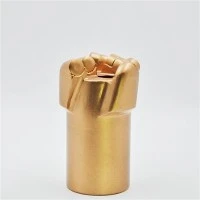
Factors Affecting Six-tooth Flat Top PDC Drill Bit Performance
The performance of a six-tooth flat top PDC drill bit depends on several factors, including the rock formation, cutter specifications, bit structure, drilling conditions and maintenance. These factors are closely related. A bit that is suitable for one formation may not deliver the same results under different geological or operating conditions.
For buyers and drilling contractors, understanding these factors helps with bit selection, drilling preparation and product evaluation. This article explains the main considerations for a φ75 mm six-tooth flat top PDC drill bit.
1. Rock Formation and Geological Conditions
The formation being drilled is one of the first factors to consider when selecting a PDC drill bit. Rock properties such as hardness, abrasiveness, strength and fracture characteristics affect how the cutters interact with the formation.
The φ75 mm six-tooth flat top PDC drill bit is listed for use in sandstone, shale and mudstone formations. However, these rock types can vary considerably from one drilling site to another.
● Sandstone: Its drilling characteristics depend on grain size, cementation and abrasiveness. More abrasive sandstone can increase wear on the cutting elements.
● Shale: Shale properties vary with composition, moisture content and degree of consolidation. These differences can affect cutting behavior and the removal of drilled material.
● Mudstone: Strength and drilling behavior can vary depending on moisture and compaction. Operators should consider the actual formation conditions when selecting the bit and setting drilling parameters.
Formation information should therefore be assessed before choosing a drill bit. A formation name alone may not provide enough information to determine whether a particular bit configuration is suitable.
2. Bit Structure and Cutter Configuration
The structure of a flat top PDC drill bit affects how it contacts and cuts the rock. Important considerations include the cutting arrangement, cutter specifications, bit body and flushing passages.
Cutting arrangement
The position and distribution of the cutting elements influence how the bit engages with the formation. Their arrangement also affects how drilling forces are transferred through the bit. The exact configuration should be evaluated using the manufacturer's product drawings and specifications rather than assuming that all six-tooth bits have the same structure.
PDC cutter specifications
Cutter size and design are important when matching a bit to drilling conditions. The φ75 mm six-tooth model lists 1304, 1308, 1604 and 1608 PDC cutter specifications, with customization available. The appropriate option should be discussed according to the formation and project requirements.
Bit body and supporting structure
The bit body supports the cutting elements and connects the bit to the drilling assembly. Its material, dimensions and overall construction should be considered when evaluating the product for a particular application.
Flushing passages
Flushing helps remove drilled material from the cutting area. The six-tooth flat top PDC drill bit is listed for use with air, mud or foam flushing. The appropriate flushing method depends on the drilling setup and site conditions.
3. Drilling Parameters
Operating conditions have a direct influence on how a PDC drill bit works. Weight on bit (WOB), rotary speed and flushing conditions should be considered together rather than adjusted independently.
Weight on bit (WOB)
WOB determines the axial force applied to the drill bit. Insufficient force may limit cutter engagement with the formation, while excessive force can increase stress on the cutting elements and bit body. The appropriate setting depends on the formation, drilling equipment and bit configuration.
Rotary speed
Rotary speed affects how frequently the cutting elements engage with the rock. Excessive speed under unsuitable conditions may increase heat and mechanical stress. Operators should follow the equipment and bit manufacturer's recommendations and adjust operating conditions according to drilling feedback.
Flushing conditions
Air, mud or foam can be used as flushing media for this product. The selection and supply of the flushing medium should take into account the drilling method, formation conditions and equipment capabilities. Effective removal of cuttings helps prevent material from accumulating around the bit.
There is no single WOB or rotary speed that is suitable for every drilling project. Actual operating settings should be confirmed according to the site conditions and manufacturer's guidance.
4. PDC Cutter Specifications and Quality
PDC cutters are the main cutting elements of the bit. Their material properties, dimensions and manufacturing quality can influence wear behavior and resistance to drilling stresses.
When evaluating cutter specifications, buyers should consider:
● Wear resistance: Important when drilling formations that cause abrasive contact with the cutting surface.
● Impact resistance: Relevant where the bit may encounter changes in formation strength or uneven rock conditions.
● Cutter dimensions: The available 1304, 1308, 1604 and 1608 specifications provide options for discussing the required cutter configuration.
● Manufacturing consistency: Consistent cutter dimensions and bonding quality are important considerations when assessing product quality.
Cutter selection should be based on the actual formation and drilling requirements. A larger cutter or a particular cutter specification should not automatically be considered better for every application.
5. Inspection, Maintenance and Handling
Proper inspection and handling help identify visible damage and maintain the condition of the drill bit between drilling operations.
Before drilling
Inspect the cutting elements, bit body and thread connection. Look for visible cracks, chipped cutters, deformation or other signs of damage. Confirm that the bit is compatible with the drilling assembly.
During operation
Monitor drilling conditions and changes in drilling behavior. Unusual vibration, changes in penetration behavior or abnormal operating loads may indicate that the bit or drilling setup needs inspection.
After drilling
Remove accumulated drilling material and clean the bit. Check the cutting elements and connection for visible wear or damage before storing or reusing the product.
Storage
Keep the drill bit in a clean, dry location and protect it from impact, moisture and contamination. Handle the cutting end carefully to avoid unnecessary damage.
6. Choosing a Six-tooth Flat Top PDC Drill Bit for Your Project
Before purchasing a six-tooth flat top PDC drill bit, buyers should provide enough information for the supplier to assess the application. Useful details include:
● Required bit diameter
● Rock formation and geological conditions
● Drilling application
● Available drilling equipment
● Preferred flushing method
● Required PDC cutter specifications
● Thread connection requirements
The φ75 mm six-tooth flat top PDC drill bit is listed for sandstone, shale and mudstone drilling, with 1304, 1308, 1604 and 1608 PDC cutter specifications available for discussion. Common API thread specifications can also be customized.
For product details, cutter options and connection requirements, see our φ75 mm six-tooth flat top PDC drill bit page.
If you are evaluating this bit for a specific drilling project, share the formation information, drilling method and connection requirements with our team. These details will help us discuss a suitable configuration.
Frequently Asked Questions
1. What factors have the greatest influence on PDC drill bit performance?
Rock formation, cutter specifications, bit structure and drilling parameters are among the main factors. Their relative importance depends on the geological conditions and drilling method.
2. Which formations are listed for the φ75 mm six-tooth flat top PDC drill bit?
The product is listed for sandstone, shale and mudstone formations. Actual suitability should be evaluated according to the properties of the formation at the drilling site.
3. Which PDC cutter specifications are available for this model?
The listed options are 1304, 1308, 1604 and 1608. Customized specifications can be discussed according to project requirements.
4. Which flushing methods can be used with this drill bit?
The product information lists air, mud and foam flushing. The appropriate method depends on the drilling equipment and site conditions.
5. What information should I provide when requesting a quotation?
Provide the required diameter, formation type, drilling application, thread connection and preferred cutter specifications. Information about the drilling equipment and flushing method is also useful.
Contact Us
Looking for a six-tooth flat top PDC drill bit for your drilling project? Contact us with your required diameter, formation conditions and connection specifications. Our team can help you review the available φ75 mm model and customization options.